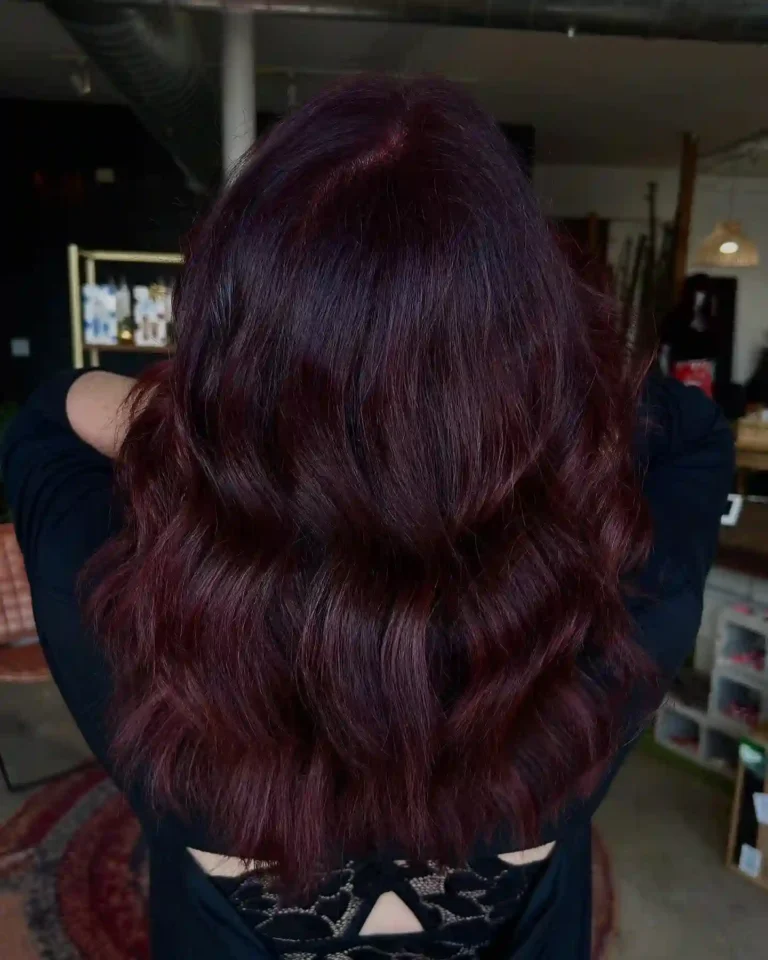

Balayage Styles Guide: Face-Framing, Money Piece, Root Smudge & More in Englewood, CO
By Studio 303
Published May 1, 2026
Est. Reading Time:
Balayage styles differ based on two factors: where the lightener is placed and how the roots are blended. Placement styles like face-framing or money piece determine how bold or subtle the result looks, while techniques like root smudge or root melt control how soft the grow-out appears.
At Studio 303 in Englewood, CO, we break balayage into placement styles and blending techniques so you can walk into your consultation knowing exactly what you want.
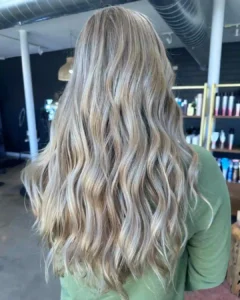
Which Balayage Style Is Right for You?
Use this as a starting point before reading the full breakdown below:
| If you want… | Your style is… |
|---|---|
| Brightness around your face, low commitment | Face-framing balayage |
| A bold, high-contrast focal point | Money piece |
| Natural, diffused color with no hard lines | Lived-in balayage |
| More dramatic dimension all over | High-contrast balayage |
| Softer grow-out between appointments | Add a root smudge |
| A seamless blend from root to tip | Add a root melt |
What These Styles Actually Look Like
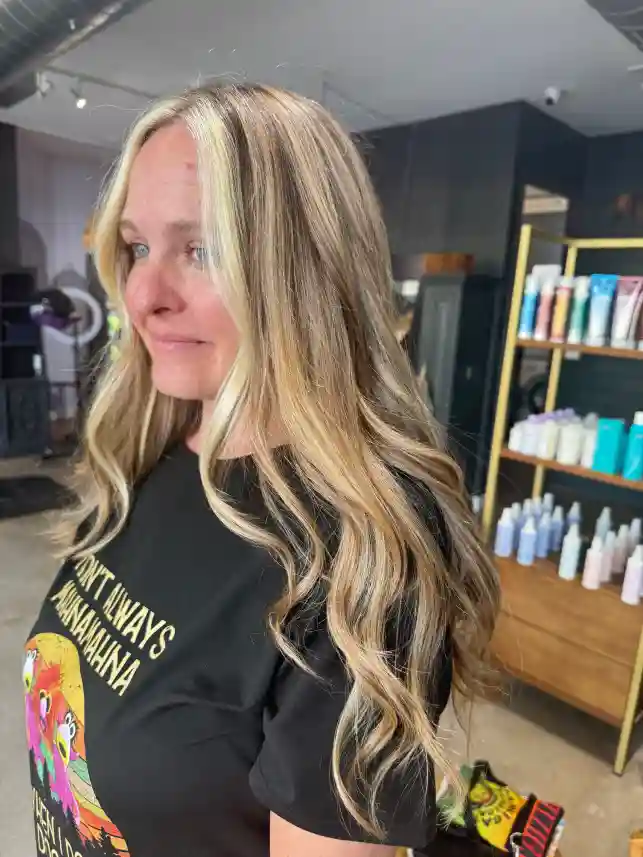
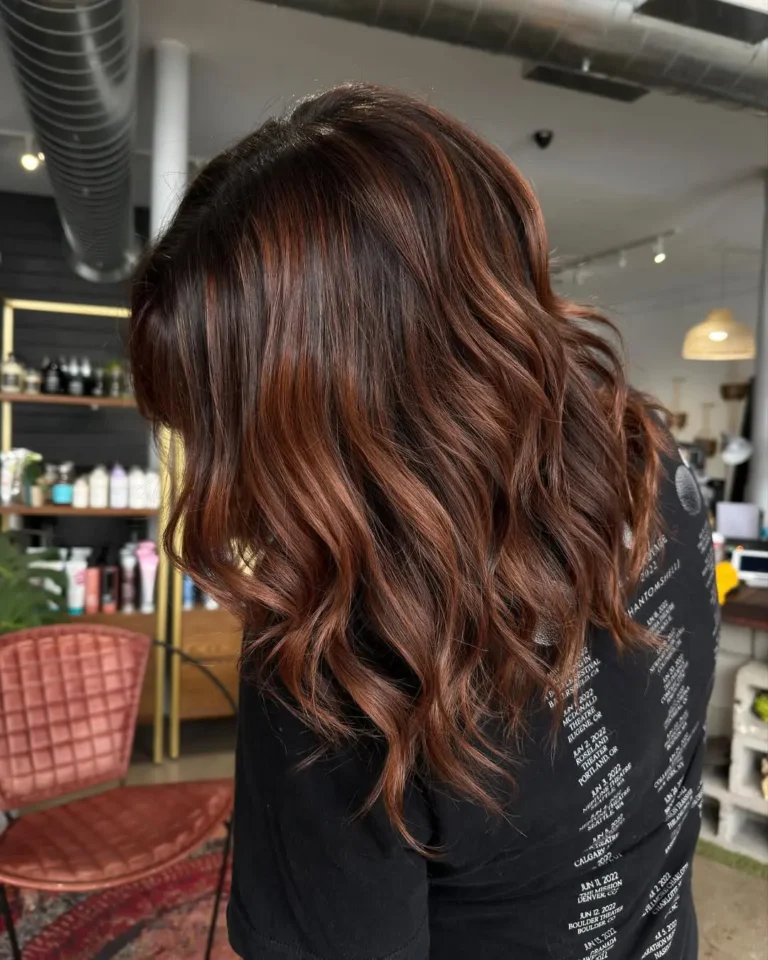
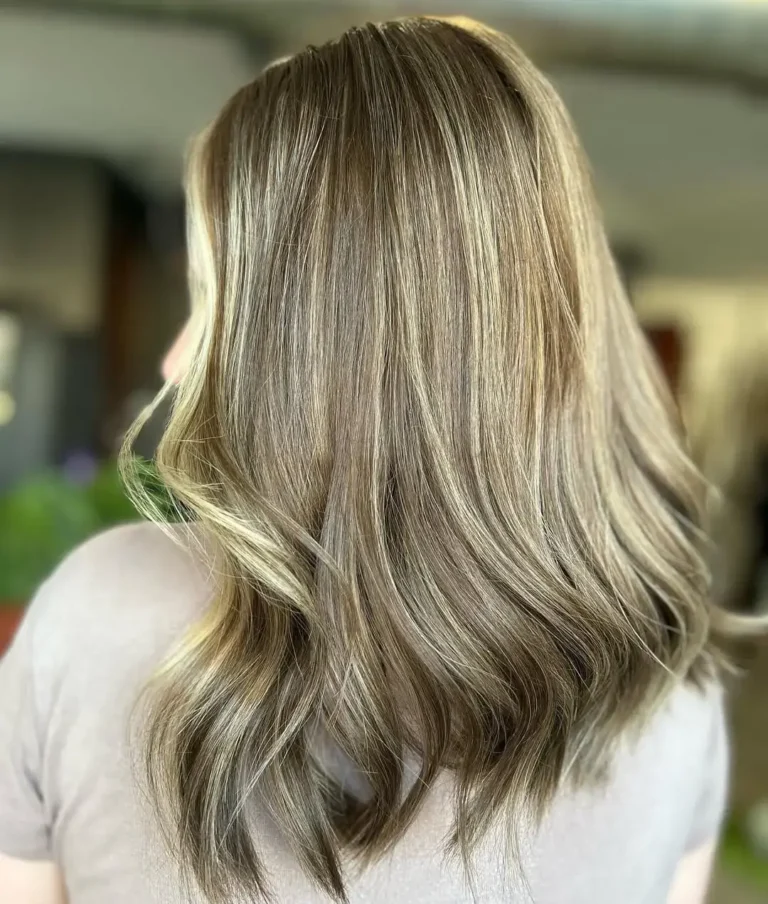
The biggest difference between these styles isn’t just brightness, it’s where your eye is drawn. Face-framing and money pieces pull attention to the front of your face, while lived-in and high-contrast balayage distribute dimension throughout the hair. Adding a root smudge or melt softens the transition at the root, which changes how noticeable regrowth looks over time.
Part 1: Balayage Placement Styles
These refer to where the lightener is applied to your hair.
Face-Framing Balayage
Face-framing balayage places lighter pieces specifically around the front sections of your hair, the pieces that fall closest to your face. The goal is to brighten your complexion and draw attention to your features without committing to full-head color.
Best for: First-time color clients, anyone wanting a subtle change, or clients who want to ease into blonding without full commitment.
Maintenance: Touch-ups every 8–12 weeks, depending on your natural hair color and growth.
What to know: Face-framing works with almost every hair type, length, and base color. It’s one of the most versatile options we offer at Studio 303 and a common starting point for clients transitioning from no color to balayage.
Money Piece Balayage
A money piece is a bolder version of face-framing, two bright, high-contrast sections placed at the very front of the hair on either side of your part. Unlike softer balayage, a money piece is meant to stand out.
Best for: Clients who want a statement look, those comfortable with higher contrast, or anyone looking to frame their face with visible color.
Maintenance: Touch-ups every 6–10 weeks. Because the contrast is higher, regrowth is more noticeable.
What to know: Money pieces work best when customized to your face shape. A placement that’s too wide or too narrow can throw off the balance of the look. This is something we assess during your consultation.
Lived-In Balayage
Lived-in balayage is the most natural-looking placement style. Color is applied diffusely through the mid-lengths and ends with soft transitions and no distinct focal point.
Best for: Clients who want low maintenance, those who dislike obvious grow-out lines, or anyone who wants dimension without an obvious color appointment.
Maintenance: Touch-ups every 12–16 weeks.
What to know: This is one of the lowest-maintenance color options available and is often ideal for finer hair or first-time color clients.
High-Contrast Balayage
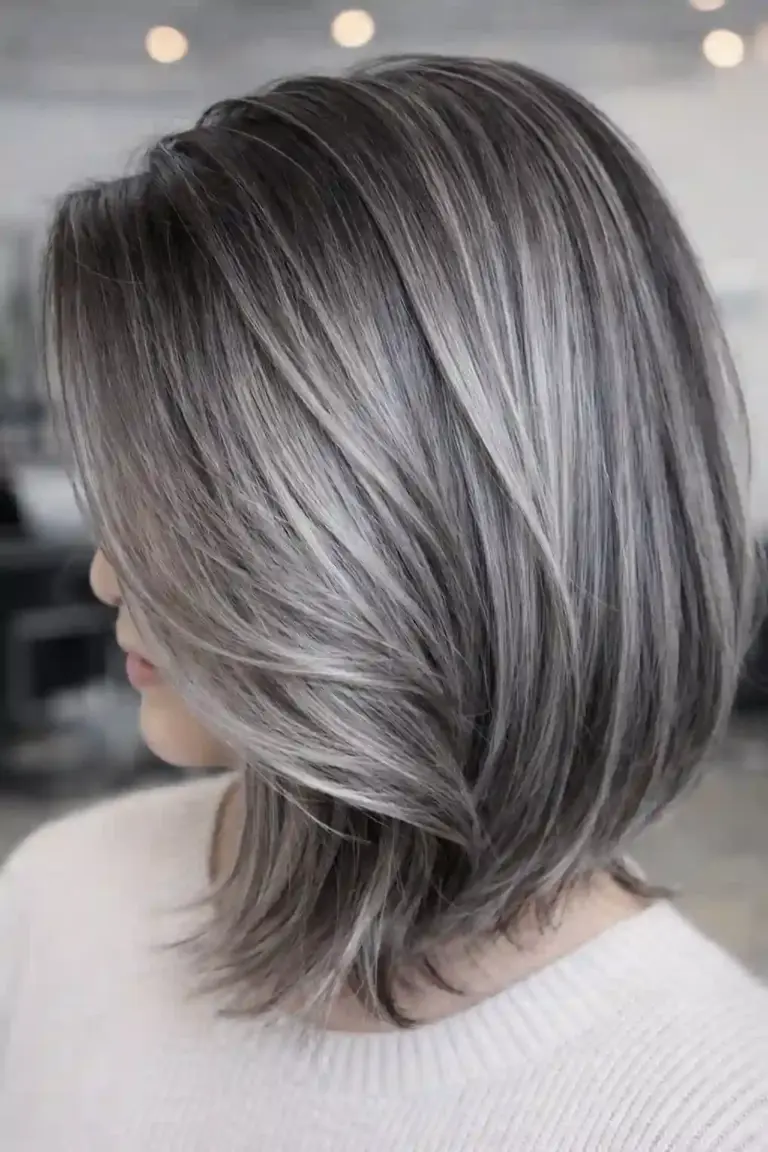
High-contrast balayage involves heavier lightening with more visible transitions between the darker root and lighter ends, creating dramatic dimension.
Best for: Clients who want a bold, more noticeable result or those with dark hair looking for balayage who want visible lightness.
Maintenance: Touch-ups every 8–12 weeks plus regular toning and glossing services to prevent brassiness. If color becomes uneven or patchy, a professional color correction service.
What to know: This style requires precise application. Poor execution is one of the most common reasons clients end up needing correction.
Part 2: Blending Techniques (Used With Balayage)
These are finishing techniques applied after lightening to control how the roots blend into the rest of the color.
A root smudge and root melt are not types of balayage. They are techniques used alongside balayage to control how soft or defined the transition from root to lightened hair appears.
Root Smudge
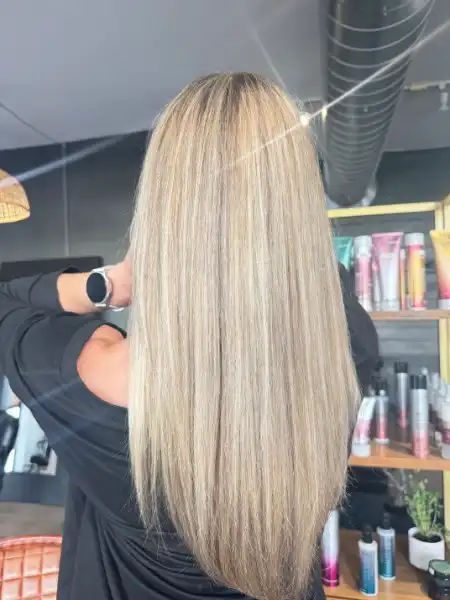
A root smudge applies a slightly deeper tone at the root after lightening to create a soft transition into the lighter hair.
Best for: Clients who want softer grow-out, less visible regrowth, or more time between appointments.
Effect on maintenance: Can extend your appointment cycle by 2–4 weeks.
Common pairing: Lived-in balayage and high-contrast balayage.
Root Melt
A root melt creates a more seamless, diffused blend from root to ends with no visible transition point.
Best for: Clients who want the softest possible blend or have lighter natural hair.
Common pairing: Face-framing balayage and money pieces on lighter bases.
Maintenance Comparison by Style
| Style | Touch-Up Window | Maintenance Level |
|---|---|---|
| Face-framing balayage | 8–12 weeks | Medium |
| Money piece | 6–10 weeks | Higher |
| Lived-in balayage | 12–16 weeks | Low |
| High-contrast balayage | 8–12 weeks | Medium–High |
| + Root smudge (add-on) | +2–4 weeks | Lowers maintenance |
Your exact timeline will depend on your natural color, growth rate, and how you maintain your hair between visits.
What We Recommend at Studio 303
There is no single balayage style that works for everyone. Before recommending a direction, we look at:
- Face shape
- Natural base color
- Hair condition
- Lifestyle and maintenance tolerance
- Your actual goal, not just the photo you bring in
If a style doesn’t match your maintenance habits or your hair’s condition, we won’t recommend it, even if it’s what you originally asked for.
Studio 303 is located on South Broadway in Englewood, CO and serves clients throughout Englewood and south Denver. All color services begin with a consultation so we can map out the right approach before anything is booked.
Start with a balayage consultation →
If you’re not sure which direction to go, we’ll guide you through it before committing to a service.
Internal Resources
- Balayage in Englewood, CO: What to Expect at Studio 303
- Balayage for Brunettes: What Actually Works on Dark Hair
- Hair Color Services at Studio 303
- Color Correction in Englewood, CO
Frequently Asked Questions About Balayage Styles in Englewood, CO
What is the difference between a money piece and balayage?
Balayage is a freehand lightening technique. A money piece is a placement style focused on the front sections of the hair. A money piece can be created using balayage, but not all balayage includes a money piece.
Is a root smudge the same as balayage?
No. Balayage is a lightening technique, while a root smudge is a finishing technique used to blend the roots after lightening.
Which balayage style is the lowest maintenance?
Lived-in balayage requires the least upkeep, typically every 12–16 weeks. Adding a root smudge can extend time between appointments for most styles.
Is a money piece high maintenance?
Yes. Because it sits at the front of the hair and is usually higher contrast, regrowth is more noticeable and typically needs refreshing every 6–10 weeks.
Can I combine multiple balayage styles?
Yes. Many results combine techniques, such as a money piece with lived-in balayage and a root smudge for blending.
How do I know if I need a consultation before booking?
If you have existing color, including box dye or previous highlights, a consultation is recommended to assess your hair and give an accurate plan.
Does Studio 303 offer balayage for dark hair?
Yes. Balayage on darker hair often requires more time or multiple sessions to achieve lighter results safely.
Studio 303 is a color-focused hair salon located on South Broadway in Englewood, CO, specializing in balayage, blonding, vivid color, and extensions.