
How Often Should You Wash Hair Extensions?
By Studio 303
Published June 16, 2026
Est. Reading Time:
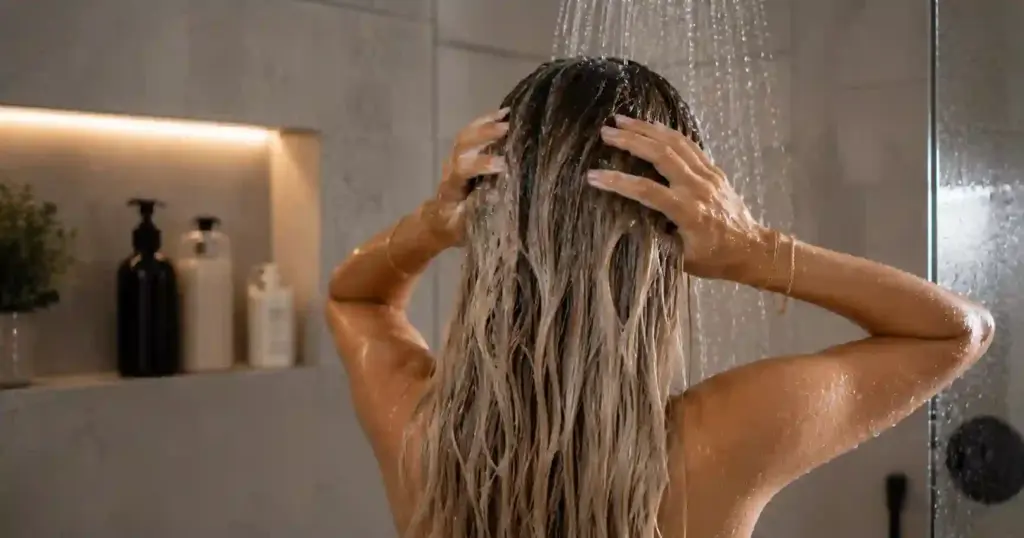
Most hair extensions should be washed every 5 to 10 days, but the ideal schedule depends on your scalp, activity level, and extension method. Wash too often and the extension hair can become dry because it doesn’t receive natural oils from your scalp. Wait too long and oil, sweat, and styling products can build up around the attachment points, increasing the risk of matting, slippage, and scalp irritation.
The right answer for you depends on more than one factor. Here is what actually determines how often you should be washing.
Typical Hair Extension Wash Frequency
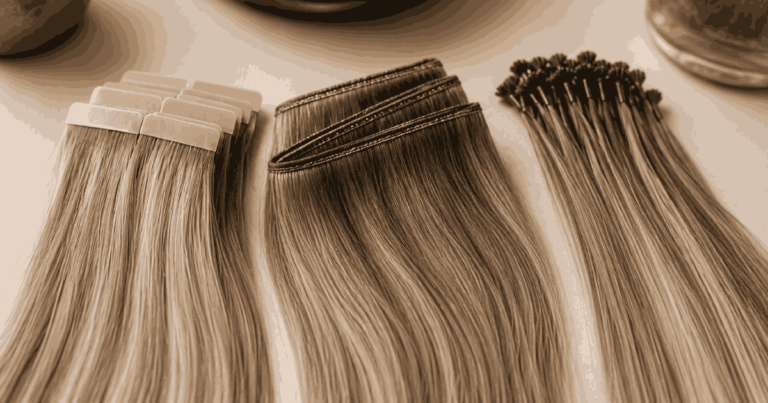
| Extension Method | Typical Wash Frequency |
|---|---|
| Wefts | Every 7-10 days |
| I-Tips | Every 3-5 days |
| K-Tips | Every 2-4 days |
Why Hair Extensions Need Different Care Than Natural Hair
Natural hair benefits from your scalp’s sebum — the oil your follicles produce. That oil travels down the hair shaft, keeping your strands moisturized and protected. Extensions have no follicle connection. No matter which method you wear, the hair cannot receive oil from your scalp on its own.
This creates two problems at once.
First, extension hair dries out faster than your natural hair because it has no ongoing moisture source. The longer extensions go without conditioning, the more the cuticle degrades — leading to frizz, tangling, and eventually breakage. Second, your scalp continues producing oil regardless of whether you are wearing extensions. That oil accumulates at the attachment points rather than traveling down the hair, which is why buildup at the bond, tape, or weft is one of the most common extension problems.
Washing too often strips the extension hair of the moisture it cannot replenish. Washing too rarely lets product, oil, and environmental debris accumulate at the points where the extension attaches to your natural hair. Both extremes shorten the life of your extensions and, more importantly, the health of your natural hair underneath.
How Often Should You Wash Weft Extensions?
Weft extensions — including hand-tied, machine weft, and beaded row wefts — can typically be washed every 7 to 10 days. Because the weft sits close to the scalp and is secured in a continuous row, buildup around the attachment area can be more difficult to remove if it is not cleaned regularly. Washing too infrequently allows oil, styling products, and debris to accumulate beneath the weft, which can contribute to matting, scalp irritation, and unnecessary tension on your natural hair. You may need to wash more frequently if you work out regularly, have an oily scalp, or use styling products often.
When washing weft extensions, use a sulfate-free shampoo applied in a downward motion. Never scrub the weft attachment area or pile hair on top of your head — both create tangling that is difficult to reverse and can stress the attachment points.
How Often Should You Wash I-Tip and K-Tip Extensions?
I-tip and K-tip extensions are both installed strand by strand rather than in a continuous weft. Because the attachments are smaller and more evenly distributed throughout the hair, they typically collect less visible buildup than weft extensions. However, each method has its own care requirements based on how it is attached.
I-Tip Extensions
I-tip extensions are secured using small beads or micro-rings rather than adhesive. Most people wash I-tip extensions every 3 to 5 days, or whenever their scalp needs cleansing. Because the scalp remains relatively exposed between the attachments, regular washing helps prevent oil, sweat, and styling product buildup without affecting the integrity of the beads. When washing, focus shampoo on the scalp and rinse thoroughly. Apply conditioner only from the mid-lengths to the ends to avoid buildup around the attachment points.
K-Tip Extensions
K-tip extensions are attached using individual keratin bonds that can gradually weaken when exposed to oils and heavy conditioners. Most people wash K-tip extensions every 2 to 4 days, or whenever their scalp needs cleansing. Keeping the scalp clean helps prevent oil and product buildup around the bonds while maintaining a healthy environment for your natural hair. When washing, use a sulfate-free shampoo, rinse thoroughly, and keep conditioners, masks, and oil-based products away from the keratin bonds. Apply moisturizing products only to the mid-lengths and ends of the extension hair.
Signs You Are Washing Your Extensions Too Often
- Extension hair feels dry, rough, or straw-like between appointments
- Ends are splitting or tangling more than usual
- Color is fading faster than expected
- Attachment points seem to loosen or require maintenance sooner than expected
- Hair feels brittle at the mid-shaft where extensions blend with your natural hair
If you recognize these signs, reduce your wash frequency and increase deep conditioning on the mid-lengths and ends. Extensions that have been overwashed cannot absorb moisture the same way healthy extension hair can — conditioning treatments become more important, not less.
Signs You Are Not Washing Your Extensions Enough
- Itchy scalp or scalp that smells within a few days of washing
- Visible buildup or white residue at the attachment points
- Extensions feel heavy, waxy, or coated
- Tangling that starts at the attachment area rather than the ends
- Bonds feel gummy or tacky when you touch them
Buildup at the attachment point is the most common cause of extension damage that stylists see at maintenance appointments. It is also one of the most preventable. If you are noticing buildup before your next wash, your current washing schedule may simply be too long for your scalp. Adjusting your routine before buildup becomes excessive helps reduce the risk of matting, slippage, and irritation around the attachment points.
The Best Way to Wash Hair Extensions
Step 1: Detangle before you wet the hair. Use a soft-bristle brush or a loop brush starting at the ends and working upward. Attempting to detangle wet extension hair causes far more breakage than detangling dry.
Step 2: Rinse in a downward direction. Let water run from root to tip. Never flip your hair upside down or pile it on top of your head during washing. Both create tangling that is difficult to remove without causing damage.
Step 3: Apply sulfate-free shampoo to the scalp and attachment area only. Work the shampoo gently into the scalp and along the bonds or tape tabs. Avoid scrubbing. Let the shampoo rinse through the length of the extension hair as the water runs down.
Step 4: Condition from mid-shaft to ends only. Keep conditioner away from the attachment points. Leave it on for two to three minutes before rinsing thoroughly.
Step 5: Apply a leave-in treatment to the ends. Because extensions cannot draw moisture from your scalp, a light leave-in conditioner or extension-safe hair oil on the mid-lengths and ends replaces some of what would naturally come from your follicles.
Step 6: Allow extensions to dry gently before brushing again. Extensions are most vulnerable to breakage when wet. If you need to brush while damp, hold the hair at the root to reduce tension on the attachment point, and use a loop brush rather than a standard paddle brush.
What Products to Avoid With Extensions
Sulfate shampoos. Sulfate shampoos are effective cleansers but can be more drying for extension hair, which cannot replenish moisture the way natural hair can. Choosing a sulfate-free shampoo helps keep extension hair softer and better hydrated between appointments.
Heavy conditioners and styling products. Products that leave excessive residue can accumulate around the attachment points and become difficult to remove. Choose products recommended by your extension stylist, and avoid applying heavier conditioners directly to the bonds, beads, or tape tabs.
Dry shampoo used directly at the bonds. Dry shampoo is a useful tool for stretching washes, but applying it directly to bond or tape areas causes a specific type of buildup that can weaken the attachment. Apply it to the scalp between attachment points and brush through.
Oil treatments applied at the roots. Coconut oil, argan oil, and similar treatments are excellent on extension ends but should never be applied to the attachment area. Oil can weaken keratin bonds over time and reduce the adhesion of tape-in extensions, increasing the risk of premature slipping.
Heat styling without heat protectant. Heat styling without heat protectant. Extension hair cannot repair itself once it has been damaged by heat. Always use a heat protectant and keep styling temperatures below 350°F.
At Studio 303, we recommend specific products based on your extension method and hair type at your installation appointment. If you are unsure what you are currently using is safe for your extensions, bring it to your next maintenance visit and we can review it.
How to Make Hair Extensions Last Longer
The lifespan of your extensions comes down to three things: installation quality, maintenance appointments, and daily care.
Brush twice a day minimum. Tangling is the primary cause of extension damage between appointments. A soft-bristle brush used morning and night — starting at the ends, working toward the root — prevents the matting that shortens extension life.
Sleep with hair in a loose braid or low ponytail. Friction against a pillowcase causes tangling and can loosen attachment points overnight. A silk or satin pillowcase reduces friction significantly if you prefer to sleep with hair down.
Keep heat styling to a minimum. Extensions cannot self-repair. Frequent heat styling gradually dries out extension hair, making heat protection especially important. When you do use heat, stay below 350°F and always use a protectant.
Do not skip maintenance appointments. Weft extensions need to be moved up every 6 to 8 weeks as your natural hair grows. I-tip and K-tip extensions need bond maintenance every 8 to 12 weeks. Waiting longer than recommended does not save money — it creates damage that costs more to correct.
Do not color your extensions at home. Extension hair responds differently to color than natural hair. Box dye on extensions can cause extreme dryness, color inconsistency, or bond breakdown depending on the method. Any color work on extensions should be done by your extension stylist.
Extension Maintenance at Studio 303
Studio 303 is located on South Broadway in Englewood, CO. We offer tape-in, weft, K-tip, and I-tip extensions using professional-grade hair from Bellami, Babe, and Kovi Hair.
Every installation includes a walkthrough of the specific care routine for your extension method — including how often to wash, which products to use, and what to watch for between appointments. Maintenance appointments are scheduled at installation so your move-up is already on the calendar before you leave.
If you are new to extensions or considering them for the first time, we start with a consultation. During that appointment we look at your natural hair, discuss your lifestyle and wash habits, and recommend the method most likely to give you the result you want without compromising the health of your natural hair underneath.
Frequently Asked Questions
Can I wash my hair extensions every day? No. Daily washing usually isn’t necessary for most extension wearers and may shorten the lifespan of the extension hair by drying it out. If your scalp becomes oily quickly or you exercise frequently, it’s better to wash when needed using proper products and techniques than to leave excessive buildup around the attachment points.
What happens if I don’t wash my extensions enough? Buildup accumulates at the attachment points. Over time this can cause the extensions to slip, mat, or put tension on your natural hair. In the case of tape-in extensions, product and oil buildup is one of the most common reasons tabs fail before the scheduled maintenance window.
Can I use dry shampoo with extensions? Yes, but carefully. Apply dry shampoo between the attachment points, not directly on the bonds or tape. Brush through thoroughly and avoid letting it accumulate over multiple days without washing.
Why do my extensions tangle so much? Tangling between washes is usually a sign of one of three things: the extensions need conditioning, you need to brush more frequently, or the attachment points have buildup that is causing the hair to mat at the root. If tangling is severe, bring it up at your next maintenance appointment before it causes damage.
How long do hair extensions last? With proper care, weft extensions typically last 6 to 8 weeks between moves. I-tip and K-tip bonds last 8 to 12 weeks. High-quality weft hair can often be reinstalled one or more times with proper care, while individual extension methods follow the maintenance and replacement recommendations of the manufacturer and your stylist.