
Tape-In vs. Sew-In vs. K-Tip Extensions: Which Lasts Longest?
By Studio 303
Published July 9, 2026
Est. Reading Time:
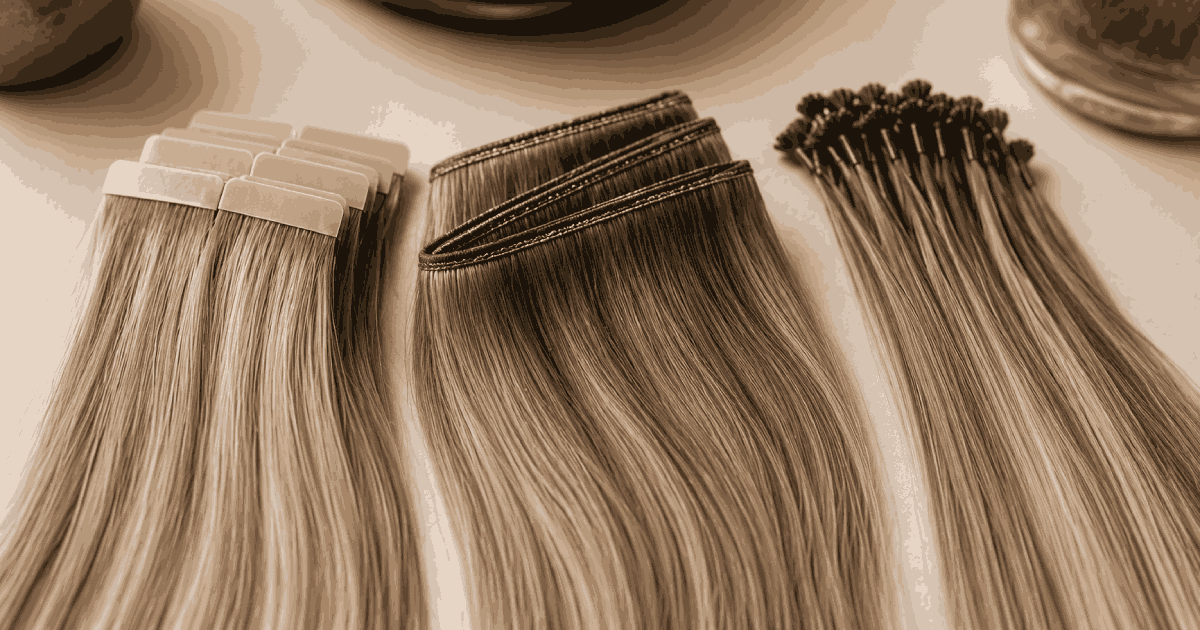
K-tip extensions typically last the longest between applications, holding for 3-4 months with proper maintenance, followed by sew-in extensions at 6-8 weeks, and tape-in extensions at 4-6 weeks. The best choice depends on your hair type, lifestyle, and how often you want to visit the salon for maintenance.
At Studio 303 in Englewood, we install all three methods and help clients choose based on their hair density, scalp sensitivity, and how much upkeep they want to commit to. If you’re new to extensions, see our guide to Hair Extensions in Englewood, CO: Types, Cost & What to Expect.
What Are Tape-In Extensions?
Tape-in extensions are wefts of hair pre-coated with adhesive tape that sandwich small sections of your natural hair. They’re applied in rows close to the scalp and reapplied as your hair grows out.
Lifespan: 4-6 weeks before they need to be moved up (re-taped) Best for: Fine to medium hair, first-time extension wearers, low-maintenance routines Application time: 30-60 minutes
Tape-ins lie flat against the head, making them one of the most natural-looking and comfortable options for thinner hair. The adhesive can be affected by oil-based products, which is why method-specific aftercare matters.
What Are Sew-In (Weft) Extensions?
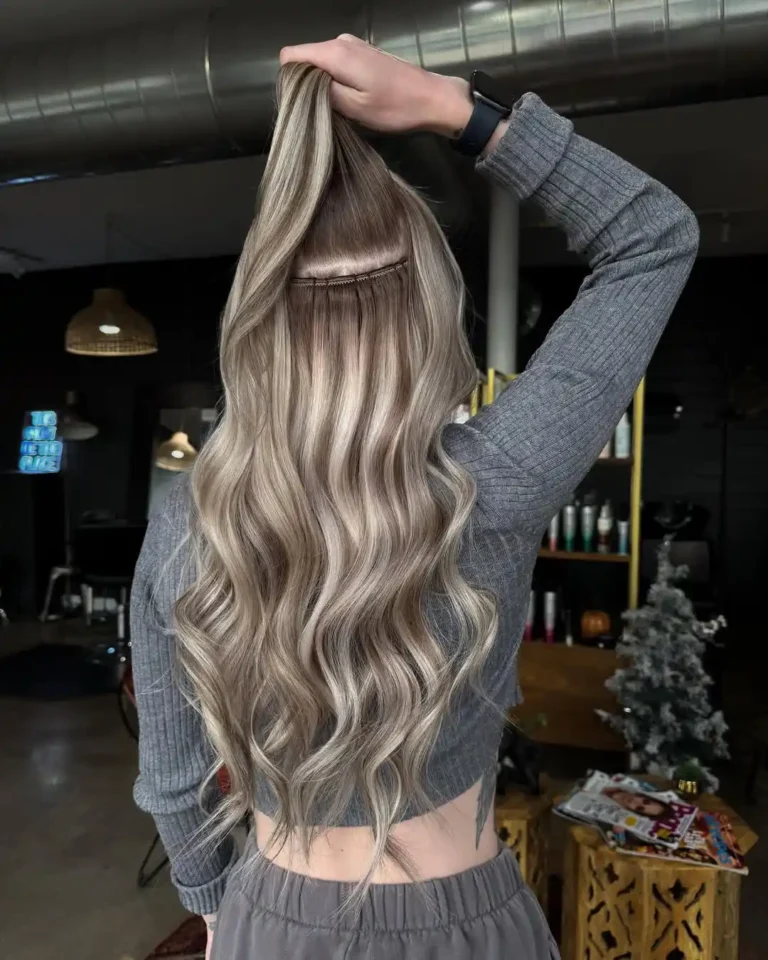
Sew-in (weft) extensions use rows of hair that are attached to a foundation created from the natural hair. Depending on the method, the wefts may be sewn onto a braided track or secured to rows created with beads. No heat or adhesive is required, making weft extensions a popular option for clients who want added length and volume without tape or keratin bonds.
Lifespan: 6-8 weeks before the wefts need to be moved up or reinstalled Best for: Thick, coarse, or textured hair that can hold a braid pattern well Application time: 2-4 hours
Because weft extensions distribute weight across an entire row, they often work well for clients with medium to thick hair who want significant length or volume. The best installation method depends on hair density, scalp sensitivity, and lifestyle. A consultation can help determine whether a weft system is the right fit.
What Are K-Tip (Keratin Bond) Extensions?
K-tip extensions use individual strands of hair fused to small sections of natural hair with a keratin-based bond, applied using a heated tool. Each bond is roughly the size of a grain of rice.
Lifespan: 3-4 months before bonds need to be reapplied Best for: Clients wanting the longest-lasting, most seamless result and who can commit to longer salon visits Application time: 3-5 hours for a full head
Because each bond is individually placed, K-tips move naturally with the hair and allow for styling close to the root, including updos and ponytails. They require a longer initial appointment but the longer lifespan often makes them more cost-effective per month of wear.
Comparison Table
| Tape-In | Sew-In | K-Tip | |
|---|---|---|---|
| Lifespan | 4-6 weeks | 6-8 weeks | 3-4 months |
| Best hair type | Fine to medium | Thick, coarse | Most types |
| Application time | 30-60 min | 2-4 hours | 3-5 hours |
| Heat/tools required | No | No | Yes |
| Styling flexibility | Moderate | Moderate | High (close to root) |
| Maintenance frequency | Highest | Moderate | Lowest |
Which Lasts the Longest?
K-tip extensions last the longest per application, but “longest” doesn’t always mean “best fit.” A client with fine hair who chooses K-tips because of the longer lifespan may find the bonds feel heavier or more noticeable than a tape-in would. The method that lasts longest for your hair is the one that matches your hair’s density and how it’s treated between appointments.
How Hair Type Affects Your Choice
Fine hair tends to do best with tape-ins because the flat wefts distribute weight evenly and stay hidden. Thick or coarse hair often holds sew-ins well because the braided base can support more weight without slipping. K-tips work across most hair types but require healthy hair at the root, since the bonds attach directly to natural strands. If you’re unsure which method is best for your hair, learn more about our hair extension services in Englewood, CO or schedule a consultation.
Maintenance and Aftercare by Method
- Tape-ins: Avoid oil-based products near the roots, which can break down the adhesive early
- Sew-ins: Keep the scalp clean under the braid pattern to prevent buildup and odor
- K-tips: Avoid pulling or twisting bonds when wet, and use a bond-safe brush starting just below the attachment point
All three methods benefit from sulfate-free shampoo and regular brushing to prevent matting near the attachment points. For washing frequency specific to each method, see our guide on How Often Should You Wash Hair Extensions?
Extensions at Studio 303
At Studio 303, we offer tape-in, sew-in, and K-tip installation, all starting with a consultation to assess your natural hair’s density, condition, and growth pattern before recommending a method. In our experience, tape-ins are often a great starting point for clients with fine hair, while weft and K-tip methods are popular with clients looking for maximum fullness or longer wear between maintenance appointments. Learn more about our Hair Extensions in Englewood, CO or book a consultation to find out which method fits your hair and your routine.
In our experience, tape-ins are often the best starting point for clients with fine hair, while weft and K-tip methods are popular with clients looking for maximum fullness or longer wear between maintenance appointments.
Frequently Asked Questions
Which extension method is the most natural-looking? K-tip extensions tend to look the most natural because each bond is individually placed and moves with the hair, allowing for styles like updos and high ponytails that other methods can’t always support.
Can I switch between extension methods? Yes. Many clients start with tape-ins to try extensions out, then move to K-tips or sew-ins once they know how their hair responds and what maintenance schedule works for their routine.
Do K-tip extensions damage hair more than tape-ins? Not when applied and removed correctly by a professional. K-tips require heat for application and removal, but the risk of damage comes from improper removal or excessive tension, not the method itself.
How much do tape-in, sew-in, and K-tip extensions cost? Cost varies based on the amount of hair used and your natural hair’s length and density. A consultation at Studio 303 is the best way to get an accurate quote for your specific hair.
Can I get extensions if I have fine or thin hair? Yes, but the method matters. Tape-ins are usually the best starting point for fine hair because the flat wefts distribute weight evenly without adding noticeable bulk.
Which extension method requires the least maintenance? K-tip extensions typically require the fewest maintenance appointments because they can last 3-4 months between applications. Tape-ins generally need to be moved up every 4-6 weeks, while sew-in wefts usually require maintenance every 6-8 weeks.
Can I wear my hair in a ponytail with extensions? Yes. All three methods can be worn in ponytails and updos when installed correctly. K-tip extensions generally offer the most styling flexibility because each bond moves independently with the natural hair.
How long does it take to install hair extensions? Installation time depends on the method and the amount of hair being added. Tape-ins typically take 30-60 minutes, sew-in extensions 2-4 hours, and K-tip extensions 3-5 hours for a full installation.