
Balayage vs. Foilyage: Which Is Right for Your Hair Type?
By Studio 303
Published July 25, 2026
Est. Reading Time:
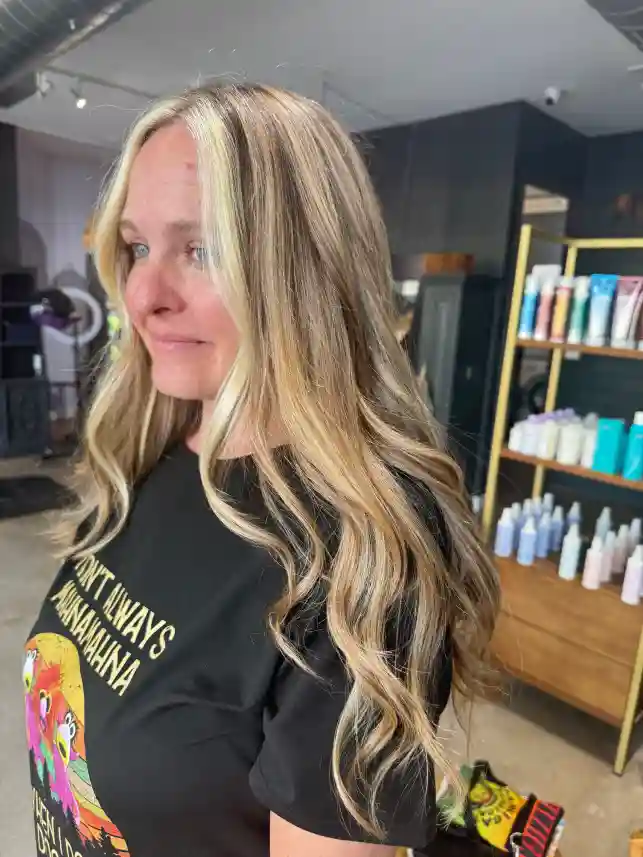
One of the most common misconceptions we hear at Studio 303 is that balayage is always the best choice. In reality, darker hair often benefits from the additional lift foilyfage provides, while finer hair frequently achieves beautiful results with balayage alone.
Balayage and foilyage are often grouped together, but they solve different problems. If you want soft, low-maintenance dimension, balayage may be the better fit. If you’re trying to achieve brighter blonde results, especially on darker hair, foilyage often delivers more lift.
The right choice depends on your starting color, hair type, maintenance preferences, and overall hair goals.
Quick Answer
If you want soft, natural-looking dimension and lower maintenance, balayage is usually the better choice. If you’re looking for brighter highlights, more lift, or a blonde result on darker hair, foilyage often delivers better results.
What Is Balayage?
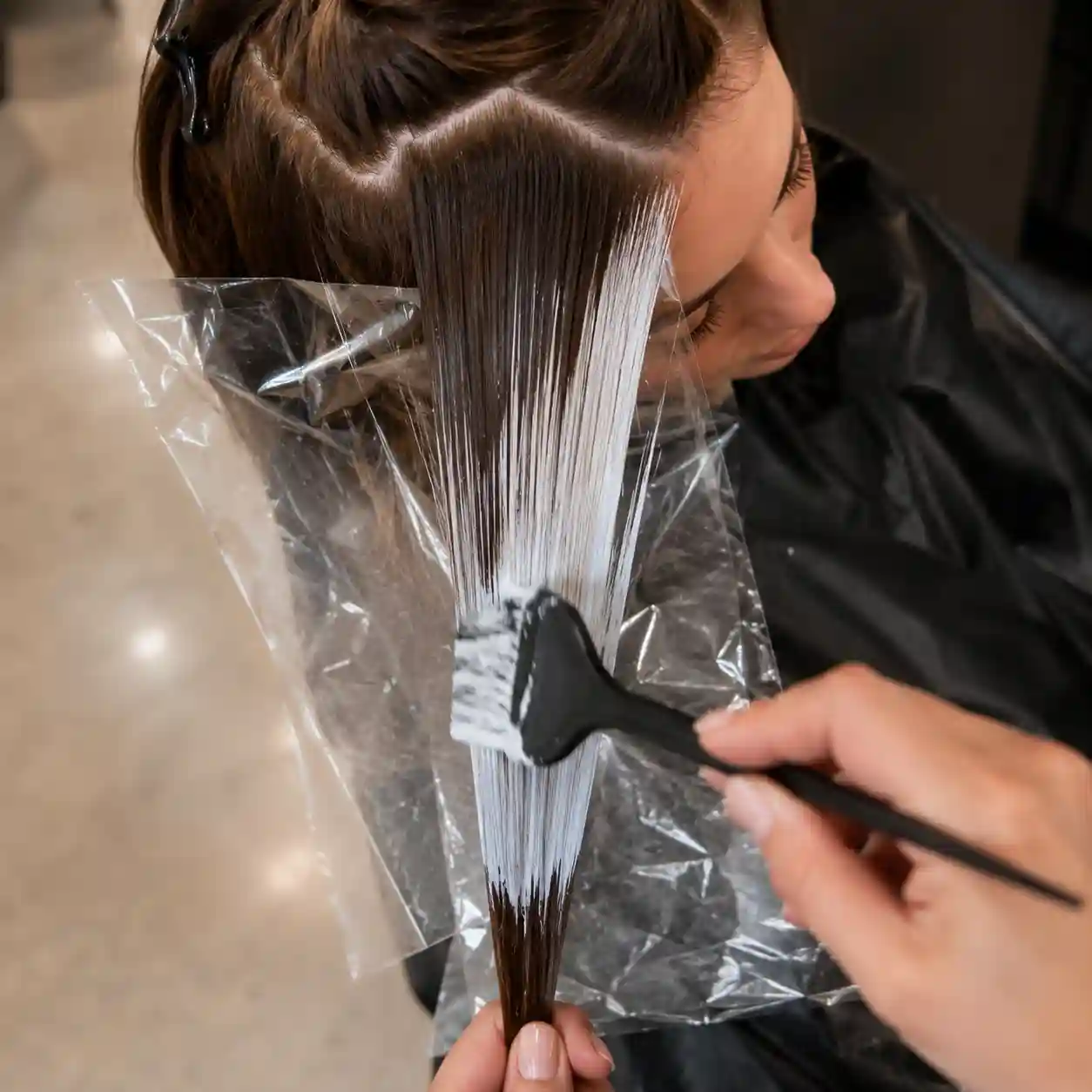
Balayage is a freehand highlighting technique where lightener is painted directly onto sections of hair without using foils. Because the hair processes in open air, the lift is generally softer and more gradual than foil-based techniques.
The color is applied to the surface of the section, creating a diffused transition between your natural color and the lighter pieces. This soft blend is one reason balayage remains one of the most requested blonding services.
Because there’s no hard line at the root, balayage grows out naturally and typically requires less maintenance than traditional highlights. Many clients can go 12-16 weeks between appointments.
What Is Foilyage?
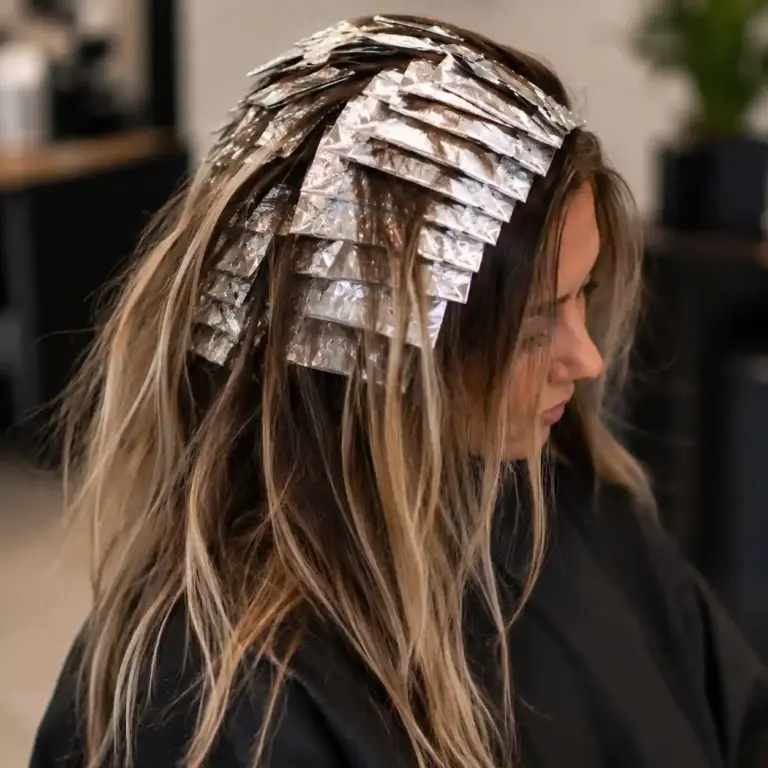
Foilyage combines freehand balayage painting with foil processing. After the lightener is painted onto the hair, the section is wrapped in foil.
The foil helps retain heat and keeps the lightener active longer, allowing for greater lift than traditional open-air balayage. In many cases, foilyage can achieve one to two additional levels of lift compared to balayage on the same starting color.
The result is brighter highlights with more contrast while still maintaining a soft, blended appearance. This makes foilyage especially popular for brunettes who want a lighter blonde result without the solid look of traditional highlights.
Balayage vs. Foilyage at a Glance
| Balayage | Foilyage | |
|---|---|---|
| Application | Freehand, no foil | Freehand, wrapped in foil |
| Lift | Moderate | Higher |
| Result | Soft, blended, natural | Brighter, more contrast |
| Best for | Light to medium brown hair | Dark brown to black hair |
| Grow-Out | Very natural | Natural, slightly more visible |
| Maintenance | Lower | Moderate |
| Appointment Spacing | 12-16 weeks | 10-14 weeks |
Which Works Better for Your Hair Type?
Fine or Thin Hair
Balayage is often a great choice for fine hair because it typically lifts more easily than coarse hair. Many clients can achieve their desired result without the additional lift foilyage provides.
When extra brightness is needed, foilyage can still be used successfully with proper formulation and careful monitoring.
Thick or Coarse Hair
Either technique can work, but foilyage often performs better on thick or coarse hair. Because these hair types may resist lightening more than fine hair, the additional lift provided by foil processing can help create brighter, more consistent results.
Light to Medium Brown Hair (Levels 5-7)
Balayage is often enough to achieve beautiful dimension on lighter starting colors. Since the hair is already relatively light, many clients don’t need the extra lift foilyage provides.
The result is a softer, more natural look that blends seamlessly with the base color.
Dark Brown to Black Hair (Levels 1-4)
Foilyage is frequently the better choice for darker hair.
Very dark hair contains more underlying pigment, and balayage alone may not provide enough lift to create the bright blonde effect many clients envision. Foilyage helps push through those warmer stages of lift and creates a lighter foundation for toning.
Previously Highlighted Hair
The right choice depends on your goal.
If you simply want to refresh faded dimension and maintain your current brightness, balayage may be enough. If you want to become noticeably lighter or add more impact throughout the hair, foilyage is often the better option.
What About the Tone?
One of the biggest misconceptions is that balayage and foilyage automatically create different tones.
In reality, both techniques can be toned warm, neutral, cool, beige, caramel, honey, or ash. The technique itself doesn’t determine the final shade.
What changes is how light the hair becomes before toning.
Because balayage typically produces less lift, there may be more underlying warmth remaining in the hair before toning. Foilyage often creates a lighter canvas, making very bright or cool blonde results easier to achieve.
If your goal is an icy blonde, platinum-inspired finish, or bright blonde highlights, foilyage often provides the best starting point. If you’re looking for honey blonde, caramel ribbons, or a natural sun-kissed result, balayage may be all you need.
Which Technique Requires More Maintenance?
Neither balayage nor foilyage requires frequent root touch-ups because both techniques are designed to create a soft transition from the natural root area.
However, clients who choose foilyage often schedule toner or gloss appointments more frequently to maintain brighter blonde tones and control unwanted warmth between major color services.
The brighter the blonde, the more maintenance the tone typically requires.
Can You Mix Both Techniques?
Absolutely.
Many modern blonding services combine balayage and foilyage within the same appointment. A stylist might use foilyage throughout the interior sections to create lift while using balayage around the hairline and face frame for a softer, more natural grow-out.
In many cases, a customized approach creates the best result rather than relying exclusively on one technique.
What to Expect at Your Appointment
Balayage Appointment
Plan for approximately 2.5-3.5 hours depending on your hair length, density, and color goals.
Your stylist will paint the lightener freehand, allow it to process in open air, then tone and finish the service.
Foilyage Appointment
Plan for approximately 3-4 hours.
The foil application adds time to the service, and the additional lift often requires careful toning to refine the final result and manage warmth.
Both techniques are typically completed in a single appointment. Clients with very dark hair, previous color buildup, or significant color corrections may require multiple sessions to reach their desired level safely.
How We Choose Between Balayage and Foilyage at Studio 303
During a consultation at Studio 303, we don’t choose a technique based on trends.
We evaluate your natural hair color, previous color history, hair density, current condition, maintenance preferences, and inspiration photos before recommending balayage, foilyage, or a combination of both.
One of the most common misconceptions we hear is that balayage is always the best option. In reality, darker hair often benefits from the additional lift foilyage provides, while finer hair frequently achieves beautiful results with balayage.
The goal isn’t choosing the most popular technique. It’s choosing the technique that gives you the result you want while protecting the health and integrity of your hair.
How to Decide
If you’re still unsure which option makes sense for you, start with these two questions:
What Is Your Natural Hair Color?
If your natural level is 5 or lighter, balayage is often a great starting point.
If your natural level is 4 or darker, foilyage may provide the lift necessary to achieve brighter blonde results.
How Bright Do You Want to Go?
If your goal is subtle dimension and natural movement, balayage is often ideal.
If you want visible highlights, brighter blonde pieces, or maximum lift, foilyage will usually get you there more efficiently.
The best technique isn’t determined by trends. It’s determined by your hair type, starting color, maintenance preferences, and desired result. During a consultation at Studio 303, we’ll explain what your hair can realistically achieve and recommend the approach that gets you there while protecting the health of your hair. If you’re ready to get started, you can book a consultation online or call us at (303) 761-3039.
Frequently Asked Questions
Is Foilyage More Damaging Than Balayage?
Foilyage typically creates more lift than balayage, which means the hair is processed more aggressively. For healthy hair, this usually isn’t a concern, but hair that is already compromised may require a more conservative approach. Your stylist should evaluate your hair’s condition before recommending either service.
Can I Get Balayage on Dark Hair?
Balayage can be performed on dark hair, but the result is often softer and warmer than many clients expect. If your goal is bright blonde highlights, foilyage typically provides more lift and may achieve your desired result faster.
How Long Does Foilyage Last?
The lightened hair is permanent, but the tone will gradually change over time. Most foilyage clients return every 10-14 weeks for maintenance, while many balayage clients can go 12-16 weeks between appointments.
Which Technique Is Better for Gray Coverage?
Neither balayage nor foilyage is designed for complete gray coverage. Both techniques can help blend gray hair and soften contrast, but clients seeking full gray coverage typically need an all-over color, root retouch, or dedicated gray coverage service.
Does Foilyage Work on Fine Hair?
Foilyage can work well on fine hair when performed carefully. Because fine hair often lifts quickly, many clients achieve their desired result with balayage alone, while others benefit from the additional brightness foilyage can provide.
Is Foilyage the Same as Highlights?
Traditional highlights are typically woven and placed in foils from root to end. Foilyage combines freehand balayage painting with foil processing, creating a softer and more blended result while still achieving significant lift.
Does Balayage Require Toner?
Most balayage services include a toner or gloss to refine the final shade. Toning helps neutralize unwanted warmth when needed and allows your stylist to customize the finished color.
How Often Should Balayage Be Touched Up?
Most balayage clients return every 12-16 weeks for maintenance. Some choose to schedule toner or gloss appointments between major color services to keep their color looking fresh and vibrant.